
Transform Your Health with Science-Backed Nutrition
Discover how personalized, balanced meal plans can reshape your relationship with food. Our comprehensive nutrition guidance helps you understand what your body truly needs, grounded in nutritional science and real-world results.
Core Features of Our Meal Plans
We provide detailed, evidence-based guidance across six key dimensions of nutrition and meal planning to support your wellness goals.
Macronutrient Balance
Our articles detail the optimal balance of proteins, carbohydrates, and fats for different lifestyles and goals. Learn how to structure meals that provide sustained energy and support your body's needs throughout the day.
Whole Food Focus
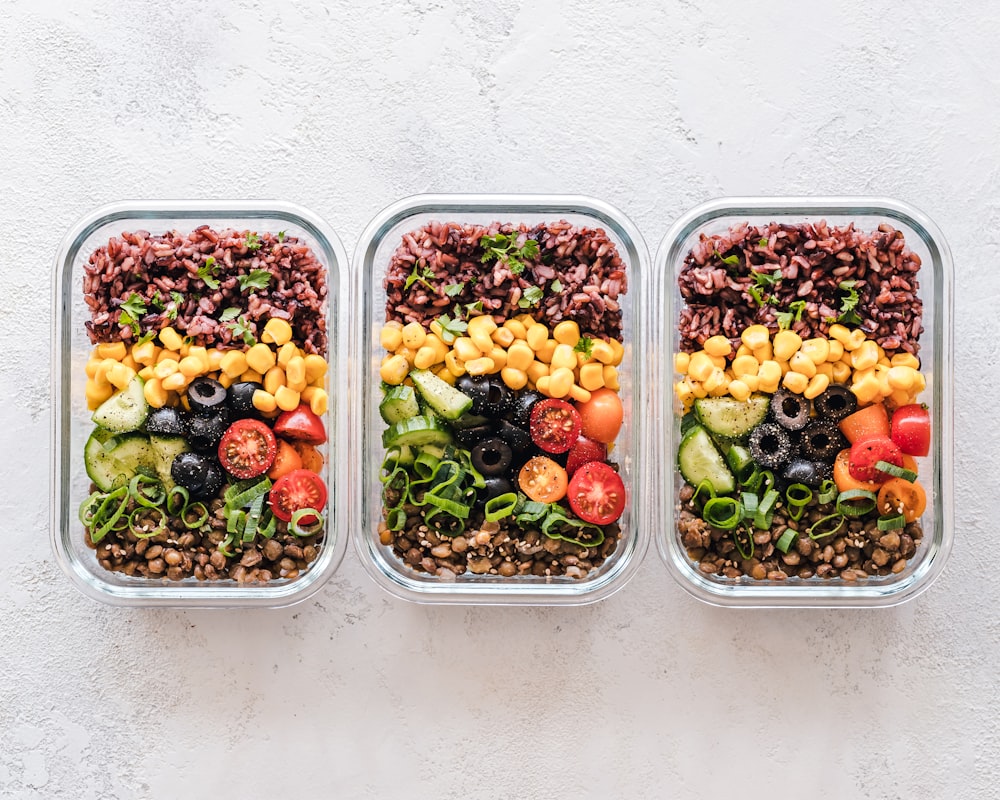
We emphasize nutrient-dense, whole foods over processed alternatives. Discover how to build meals from fresh vegetables, fruits, grains, legumes, and quality proteins that nourish your body naturally.
Meal Planning Framework
Learn systematic approaches to weekly meal planning that save time and reduce decision fatigue. Our articles provide templates and strategies for organizing your nutrition around your schedule.
Activity-Based Nutrition
Understand how your activity level shapes your nutritional requirements. We explain the relationship between exercise, recovery, and proper fueling for both athletic and sedentary lifestyles.
Evidence-Based Guidance
All our content draws from peer-reviewed nutrition research and established dietary guidelines. We explain the science behind recommendations so you understand the reasoning, not just the rules.
Individual Adaptability
Recognize that everyone's nutritional needs differ based on age, health status, preferences, and circumstances. Our articles provide frameworks for personalizing nutrition guidance to your unique situation.

How Our Meal Plan Guidance Works
Our editorial platform provides comprehensive information about constructing balanced meal plans tailored to your needs. Rather than prescribing specific menus, we offer the knowledge and frameworks you need to make informed nutritional decisions.
-
Assess Your Baseline
Understand your current eating patterns, activity level, and nutritional goals through our detailed articles on self-assessment.
-
Learn Food Groups & Portions
Discover how to build balanced plates by understanding portions, food groups, and their nutritional contributions to your diet.
-
Plan Weekly Structure
Use our planning frameworks to organize your meals logically around your schedule, preferences, and budget.
-
Refine & Adjust
Learn how to monitor your progress and adapt your approach based on how you feel, perform, and respond to your nutrition.
Understanding Balanced vs. Imbalanced Nutrition
Learn the key differences between sustainable, balanced approaches and restrictive eating patterns.
Balanced Meal Approach
- Includes all food groups in appropriate proportions
- Provides sustained energy throughout the day
- Meets micronutrient needs for optimal function
- Sustainable for long-term adherence
- Supports consistent performance and wellbeing
- Flexible and adaptable to lifestyle changes
A sustainable foundation for long-term health and vitality.
Imbalanced Approaches
- Eliminates entire food groups
- Creates energy fluctuations and fatigue
- May lead to nutrient deficiencies over time
- Difficult to maintain long-term
- Often leads to frustration and abandonment
- May create problematic relationships with food
Temporary measures that rarely create lasting results.
Your Journey to Better Nutrition
Understanding how to transition to balanced nutrition is a gradual, sustainable process that builds on itself.
Awareness
Begin by understanding your current eating patterns, energy levels, and how different foods make you feel. Keep track of meals and notice patterns.
Education
Learn about nutrition fundamentals, food groups, macronutrients, and micronutrients. Use our articles to build your foundational knowledge.
Implementation
Start making small, sustainable changes to your meals. Gradually increase the proportion of whole foods and balanced nutrition in your diet.
Refinement
Monitor how you feel and perform. Adjust your meal plans based on real feedback from your body and life circumstances.
Personalized Meal Plan Types
Different lifestyles, goals, and preferences call for different approaches to balanced nutrition.
Office Worker Plans
Designed for desk-based professionals with limited cooking time. Focuses on quick meal prep, portable options, and sustained energy for mental work.
- Batch cooking strategies
- Portable lunch ideas
- Afternoon snack guidance
Active Lifestyle Plans
For people who exercise regularly or have physical jobs. Emphasizes proper fueling before and after activity, recovery nutrition, and hydration.
- Pre-activity fueling
- Post-workout recovery
- Hydration protocols
Family-Centered Plans
For families who cook together and share meals. Covers planning for different ages and needs while maintaining shared mealtimes.
- Multi-generational meals
- Budget-friendly options
- Cooking with children
Building Nutritional Literacy
One of the most valuable investments in your health is understanding nutrition yourself. Instead of relying on restrictive rules or someone else's meal plan, you gain the knowledge to make informed choices that align with your unique needs and circumstances.
Our comprehensive articles cover everything from reading nutrition labels to understanding how to balance macronutrients for your specific goals. You'll learn practical skills like portion estimation, meal assembly strategies, and how to adapt recipes to align with balanced nutrition principles.
This knowledge empowers you to navigate restaurants, grocery stores, and social situations with confidence. You understand not just what to eat, but why, which creates lasting behavioral change that doesn't depend on willpower or external rules.
Read Our Latest Articles
Common Questions About Balanced Nutrition
Find answers to frequently asked questions about meal planning, nutrition, and our content.
A balanced meal plan includes appropriate portions of all major food groups: proteins, carbohydrates, healthy fats, vegetables, fruits, and dairy or alternatives. It meets your caloric needs based on activity level and provides sufficient micronutrients (vitamins and minerals) to support bodily functions. Most importantly, it's sustainable for you—accounting for your preferences, cultural food traditions, budget, and lifestyle constraints.
Absolutely. Our articles cover how to maintain nutritional balance while following vegetarian, vegan, gluten-free, dairy-free, or other dietary approaches. The principles remain the same—ensuring you get adequate protein, key nutrients, and energy—but the specific foods used adapt to your needs. We provide specific guidance on alternative sources for nutrients that might otherwise come from restricted foods.
Our articles explain strategies like reviewing menus ahead of time, understanding portion sizes, asking for modifications, and identifying balanced options in various restaurant types. You'll learn to estimate the macronutrient content of common dishes and make choices that align with your overall nutrition plan without stress. The goal is flexibility and enjoyment, not perfection.